Salon de Provence, France
“The Pearl of Provence”
A provençal town with enduring charm and a great big welcoming heart, nestled between Aix en Provence and Arles in the super spectacular region of southern France…
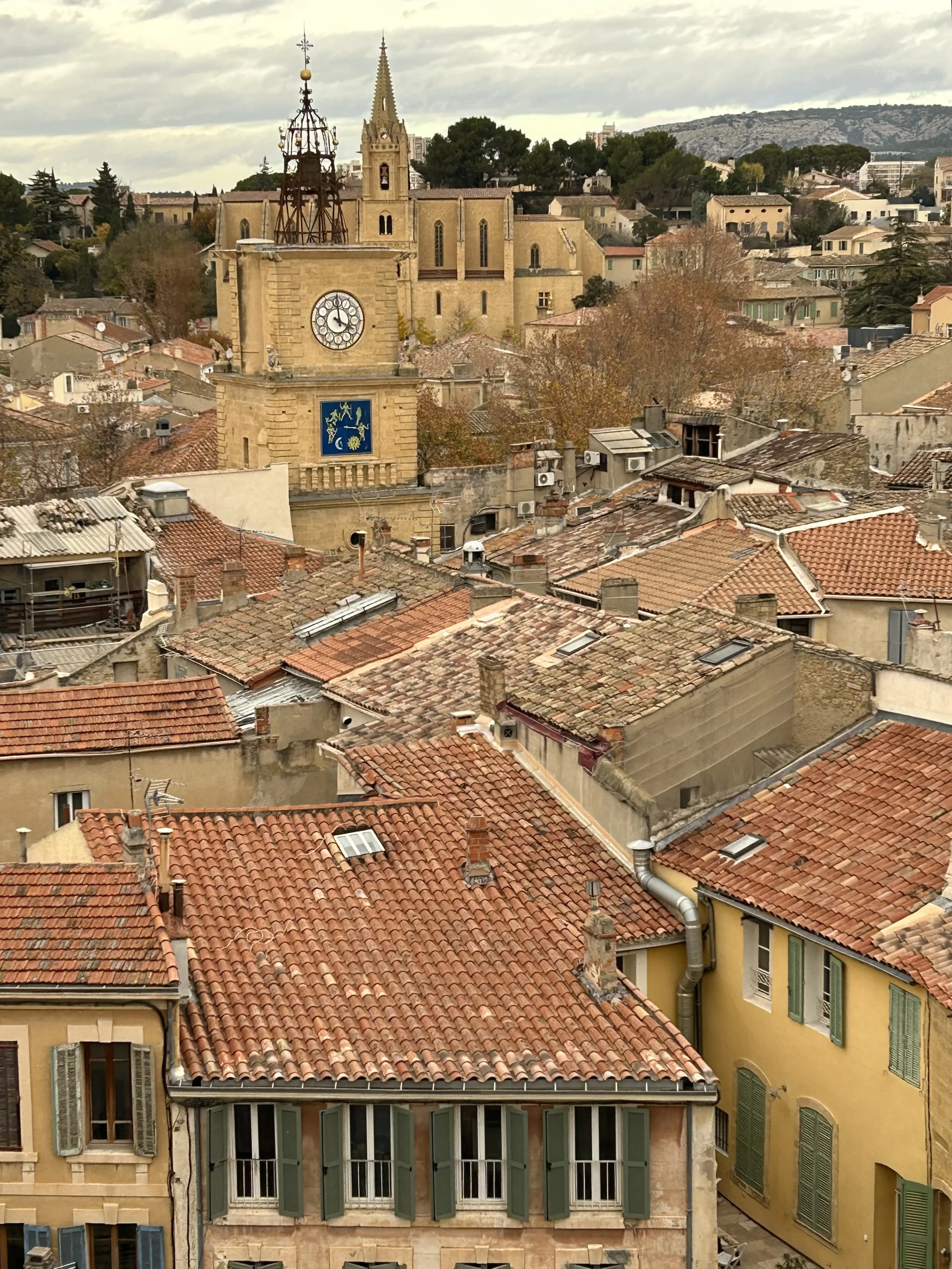
The scoop…
I came upon this sweet, timeless town by accident. I was driving west on the autoroute after visiting one of my oldest friends and his family in the little village of Tourettes sur Loup, a very small medieval village perched precariously high in the rocks above Nice and just one more spectacular French destination. After about two hours of driving I saw an exit sign for the town of Salon de Provence and decided to check it out. I was not in a hurry, it was a sunny mild Mediterranean kind of day, perfect for exploration. I had no expectations, just a healthy curiosity of a town unknown to me lying inland at the crossroads of Provence.
The scoop…
Salon de Provence is located between Aix en Provence and Arles in the Provençal region. It is roughly 50 km north-west of Marseille and 30 km south of Avignon. Driving from the autoroute into Salon the landscape is magnificent, simply classic Provence with olive trees, low limestone hills and dry plains that sit between two different landscape zones. There is The Crau Plain to the south, a rugged wide open dry stone area with olive groves and scrubland. Then to the north, The Plain of Durance, with a flat fertile lowland and agricultural area of orchards and vineyards. The terrain directly surrounding Salon consists of a mix of olive gloves, vineyards and fields of lavender and wheat depending on the season. It’s a subtle, quiet kind of rural beauty, open, sunlit and rich in texture. For me it is simple and perfect. In Salon you get all the Provençal charm, without the glitz and big tourist crowds of the more famous Provençal towns along the coast.
The history of Salon has deep roots going all the way back to Roman times. It is layered and shaped by Roman influence, medieval power struggles and religious authority which gradually weakened and became more of a political power centralized under secular rulers, like the Counts of Provence.
One of the oldest and largest Châteaux in Provence can be found in Salon. The Château de l’Empéri was built in the 10th century by the Archbishops of Arles and still stands magestically perched on a rocky cliff looking down upon the town of Salon. It served as the residence for the Archbishops of Arles where it became a religious stronghold and center of power. It was used as a defensive outpost and weathered turbulent times from the Black Death to the French Wars of Religion. As time went on its use shifted to court, prison, and military barracks and after the French Revolution was sold to the town of Salon. Today it is a cherished museum and cultural space for the town of Salon hosting concerts, multi-cultural festivals and art exhibits year round. The Château today, all these years later, remains a thing of beauty.
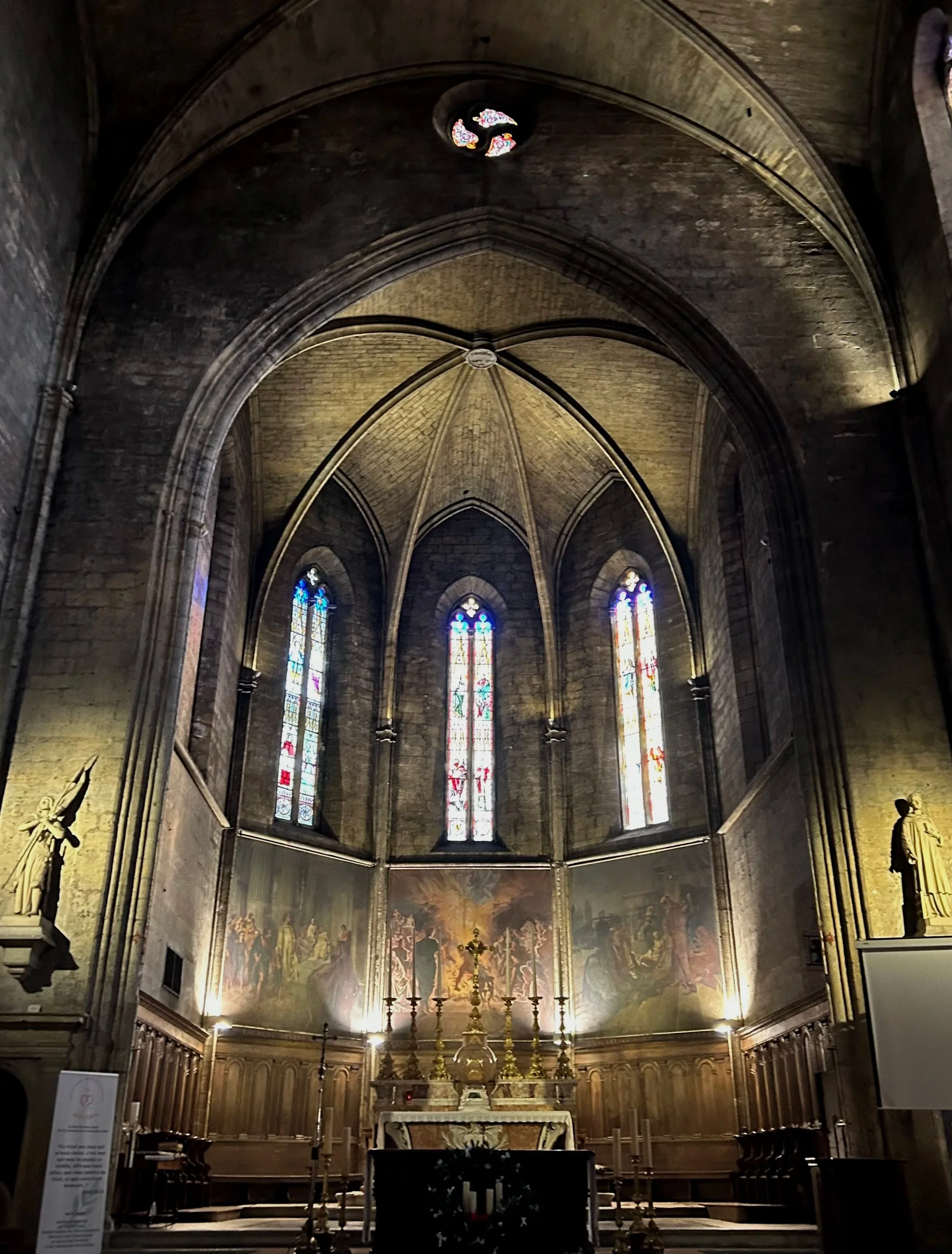
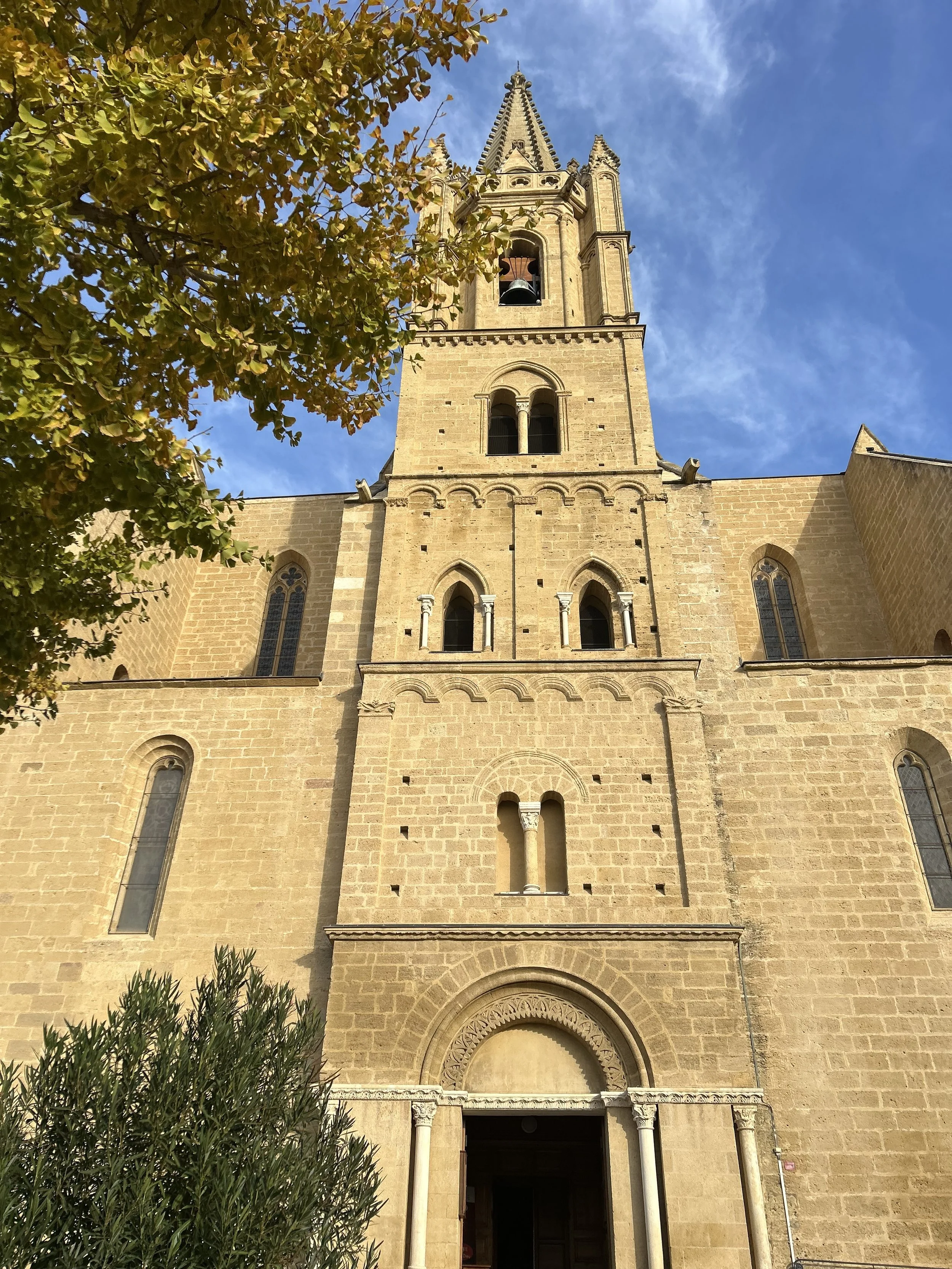
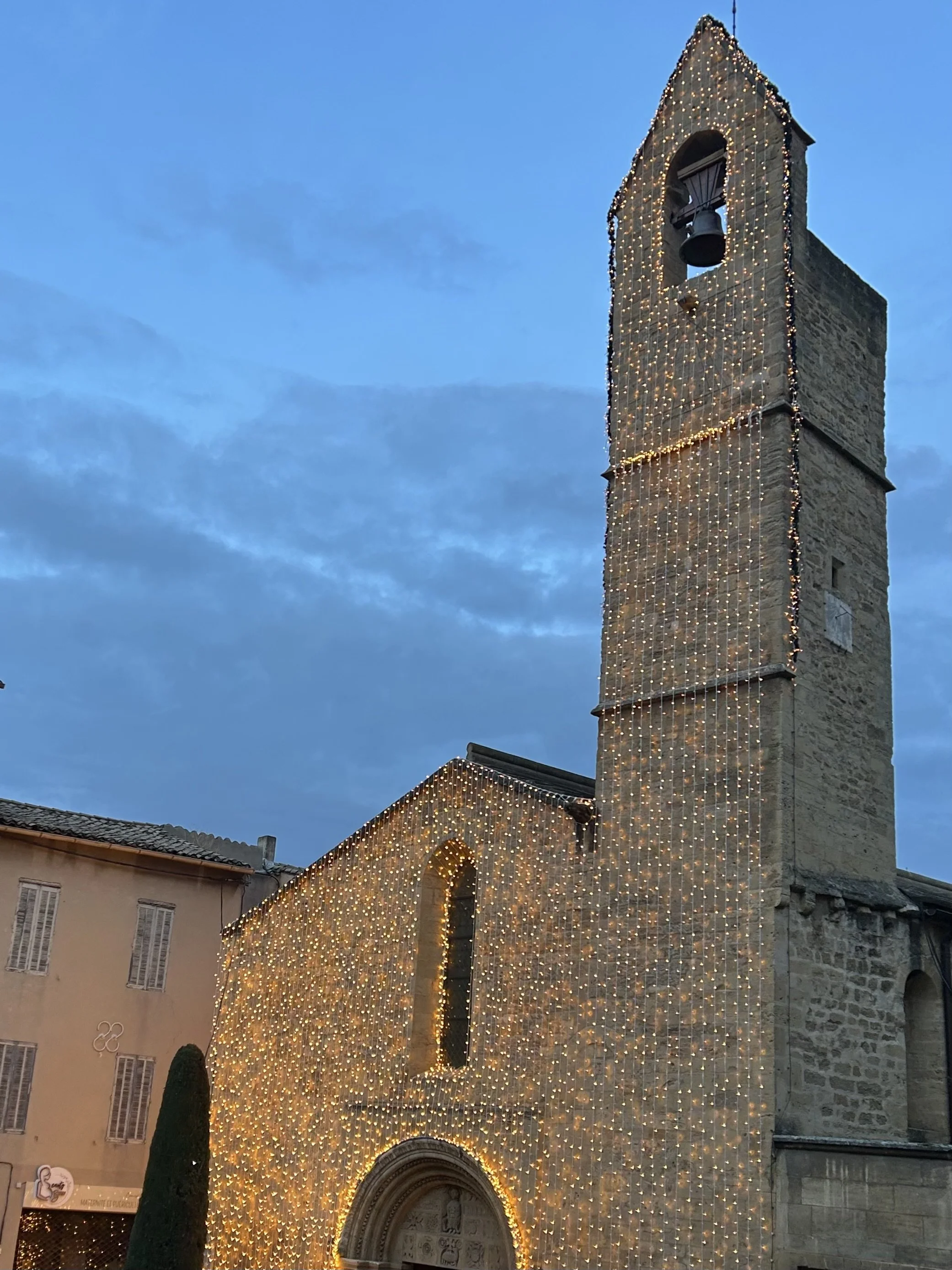
The principle church of Salon de Provence, is located in the old town. Collégiale Saint Laurent has origins dating back to the 12th century. Like the Chateau above, it is also linked to the Archbishops of Arles and served primarily as a place of worship, but also as a space for community gatherings. It belies a strong medieval character with a Gothic bell tower, and richly decorated chapels known to be sponsored by local noble families.
A fascinating part of Salon de Provence’s history was the arrival of Nostradamus in 1547. This is where he married, raised a family and served as royal physician, astrologer and trusted advisor. It was here in the year of 1555 when he wrote his famous book of predictions, Les Prophéties. It remains today one of the most debated works in history. The former home of Nostradamus, located in the heart of the old town, is now a museum dedicated entirely to his life and work.
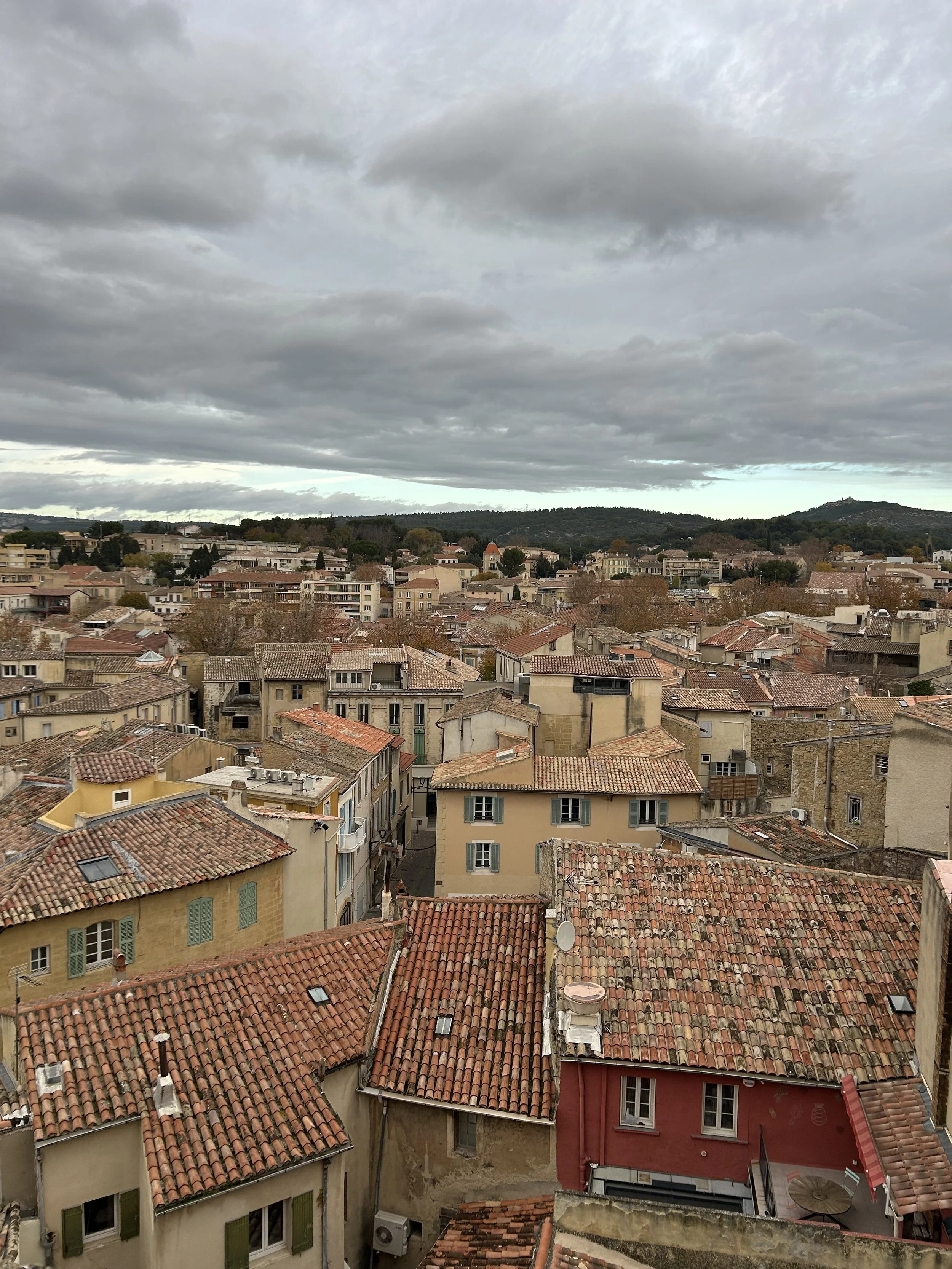
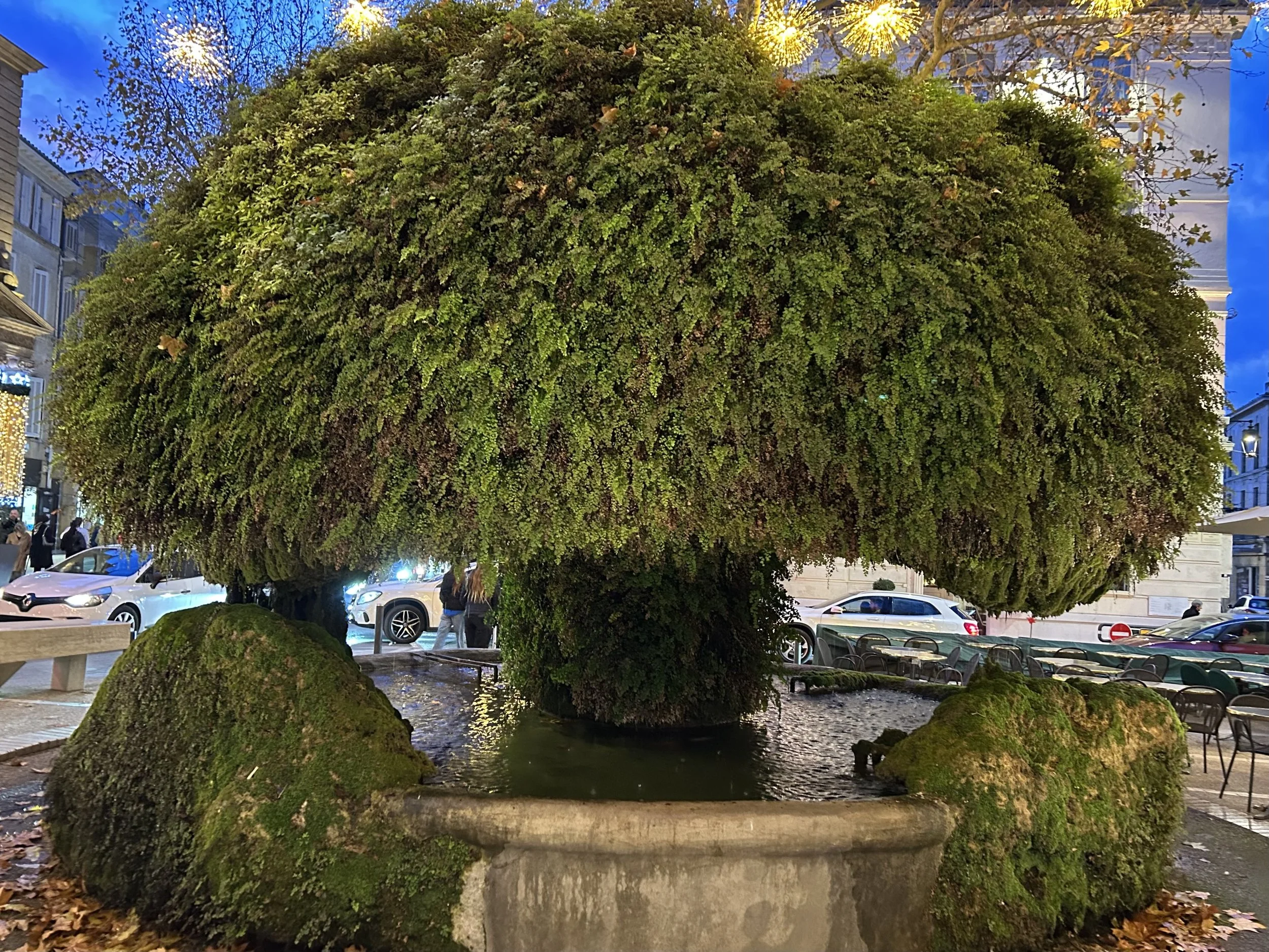
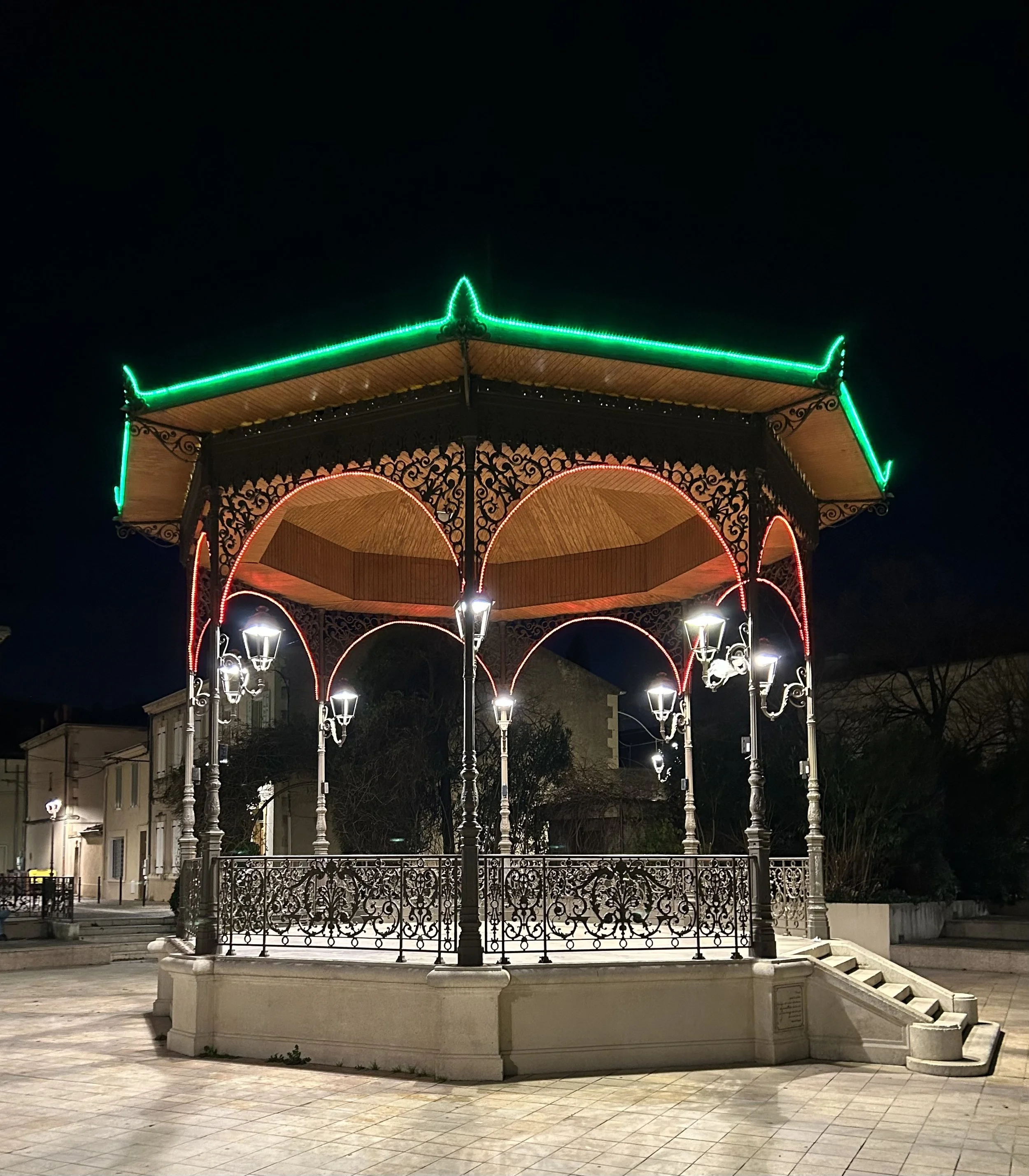
Modern day Salon de Provence remains an authentic Provençal town of ~45,000 inhabitants. It hosts morning open-air markets, cafés, shaded squares, hidden courtyards and arched passageways. It has beautiful fountains, plane trees and restaurants with simple fresh dishes like unadorned grilled meats, ratatouille, and fresh seafood cooked in local olive oil and herbs. The old town is chuck full of small artisanal shops, including savonneries with traditional soap-making. It has narrow winding cobbled streets, terraced cafés, lots of shade trees and is simply a beautiful melange of history, culture and richness. It is unlike other historic centers specifically curated for visitors only. Here people carry on peacefully with their daily lives where we as visitors are warmly welcomed to integrate during our stay.
“Here I found the calm necessary to contemplate the future.” - Nostradamus