Belfast, Northern Ireland, UK
Belfast is a city that has transformed pain into possibility.
“I carry Belfast with me all the time.”
—Van Morrison
You arrive here expecting a place defined by conflict because that’s the version most people know, but the strange thing is that Belfast doesn’t feel trapped in its past. It feels more like a city arguing with its own memories. Belfast is authentic. People talk differently here. It’s not just the accent, though the accent is fantastic with sharp edges and sudden melody, but it is in the rhythm of their conversation. People here are quick and funny in a way that catches you off guard. They’ll tell a story that has you crying with laughter before you realize half of it was tragic. A taxi driver in Belfast gave me a lecture on history, class, religion, empire, football, rugby and family trauma in the span of a ten minute ride. I loved it and him.
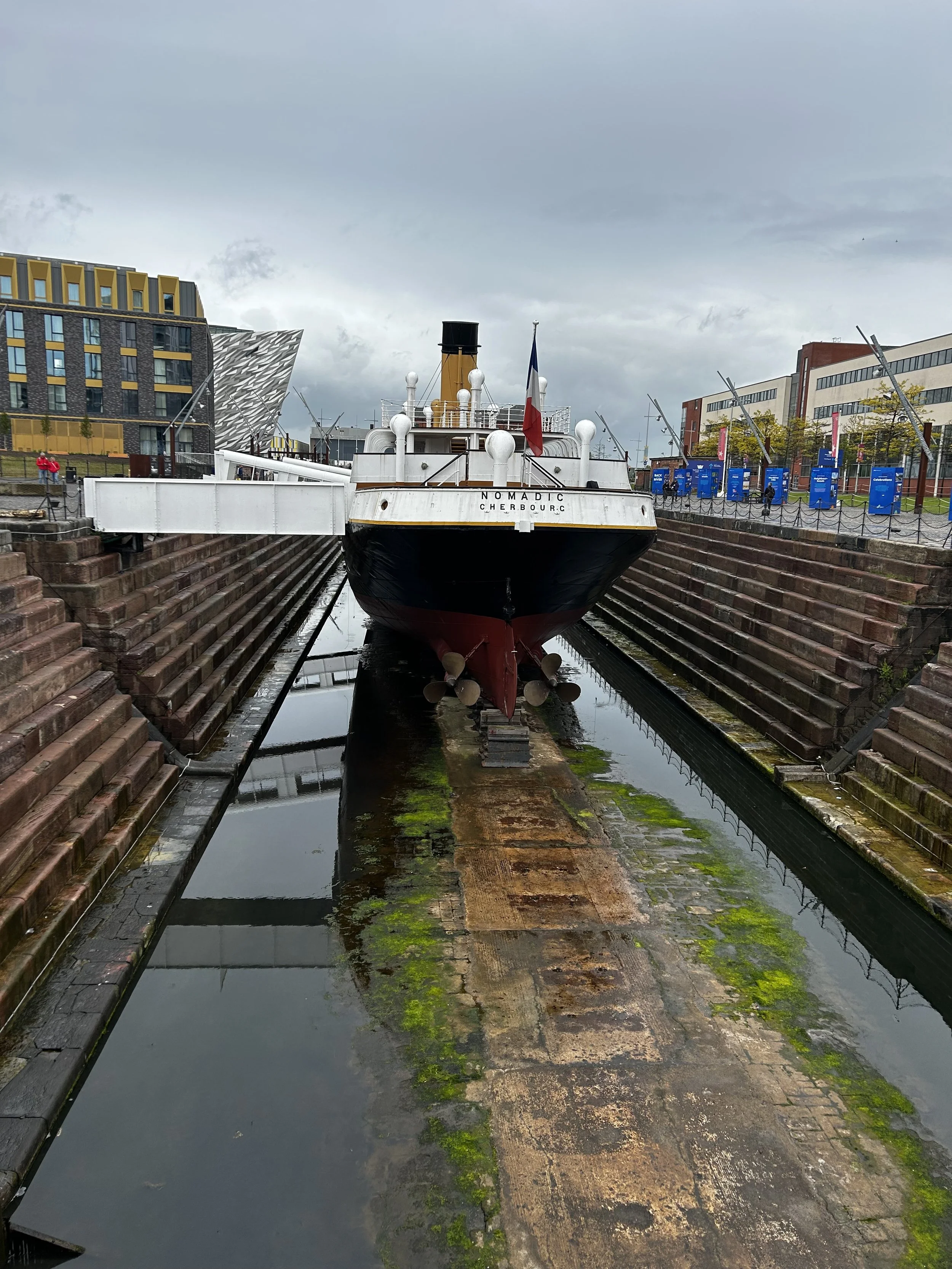
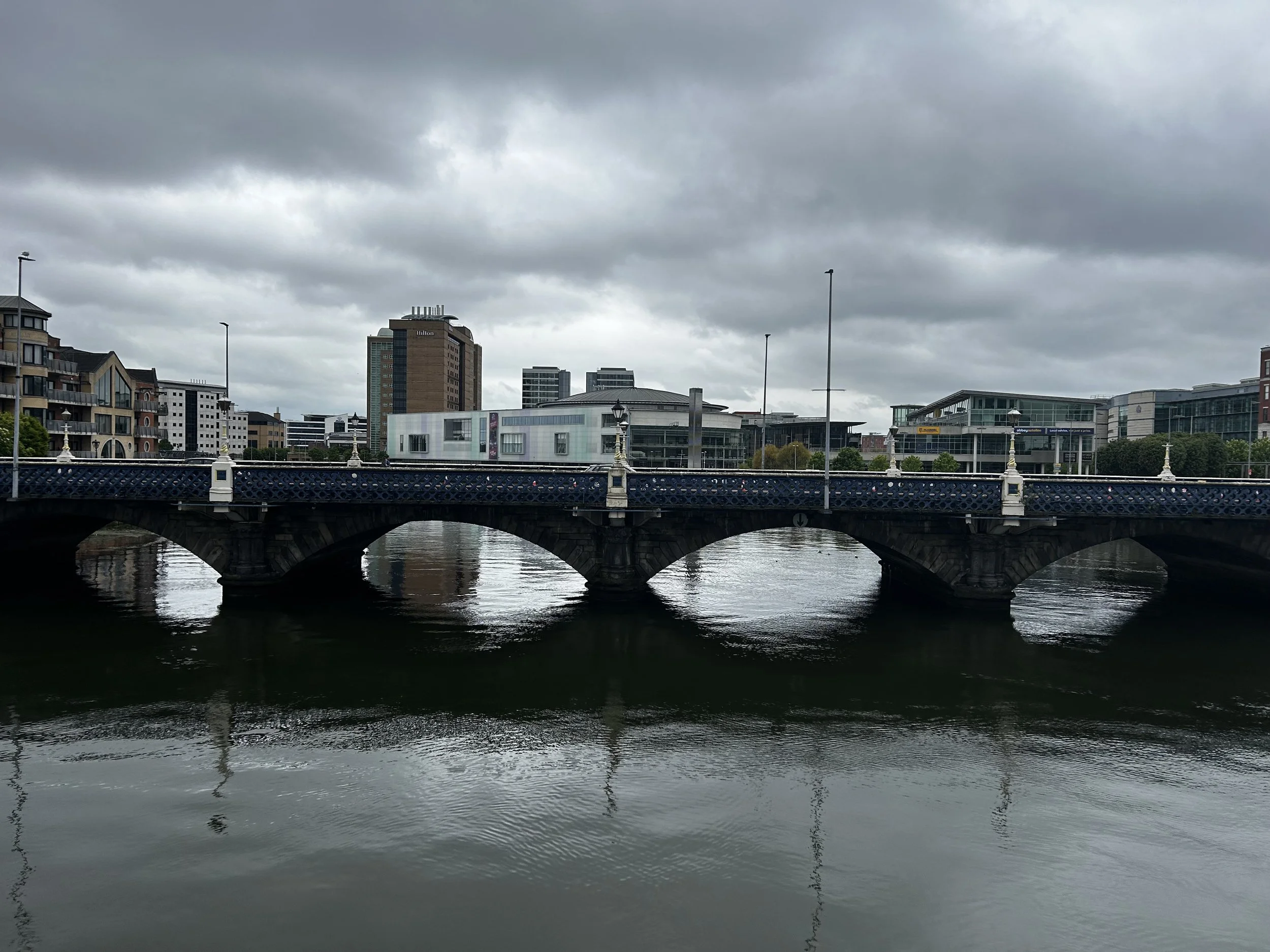
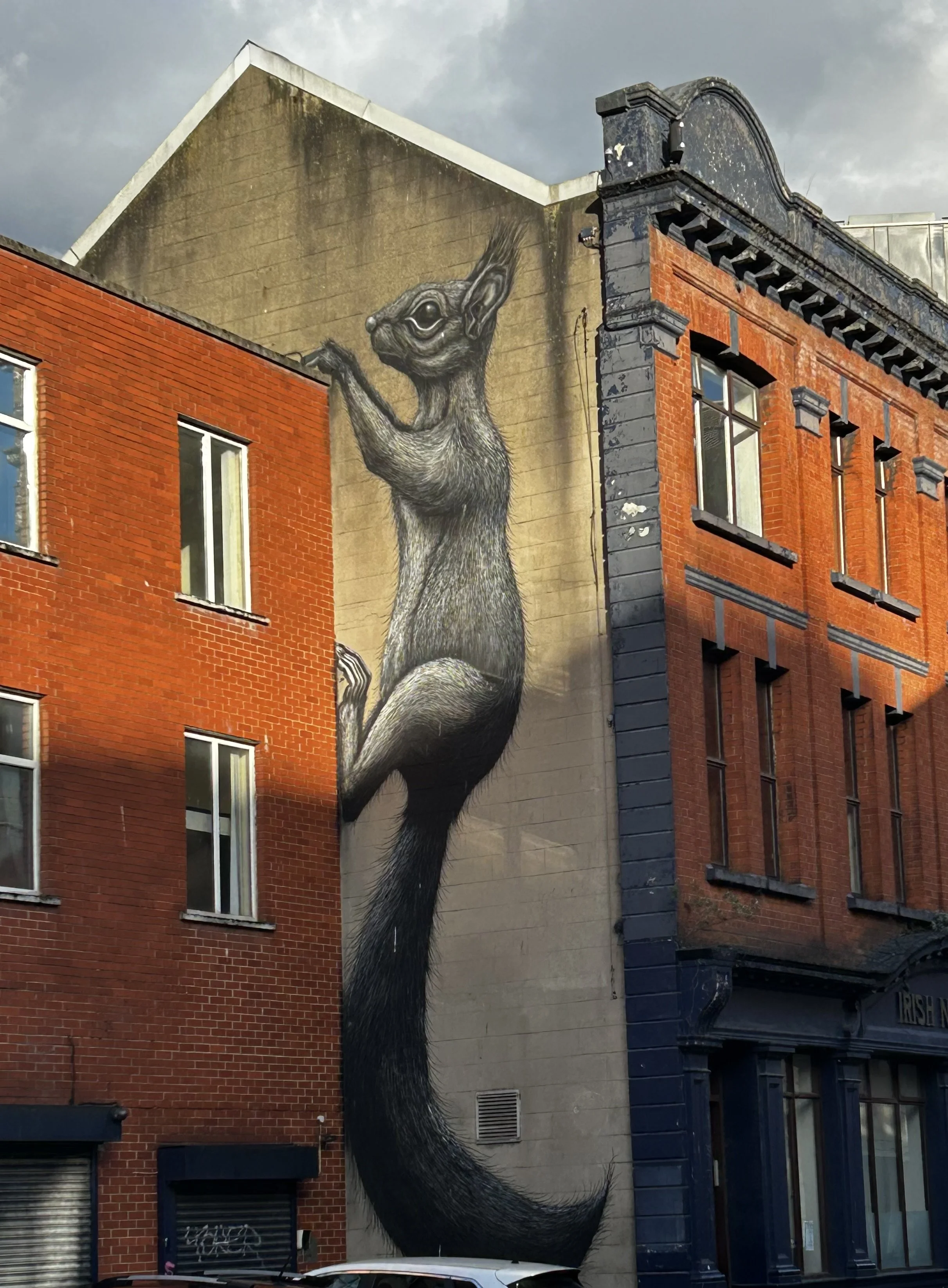
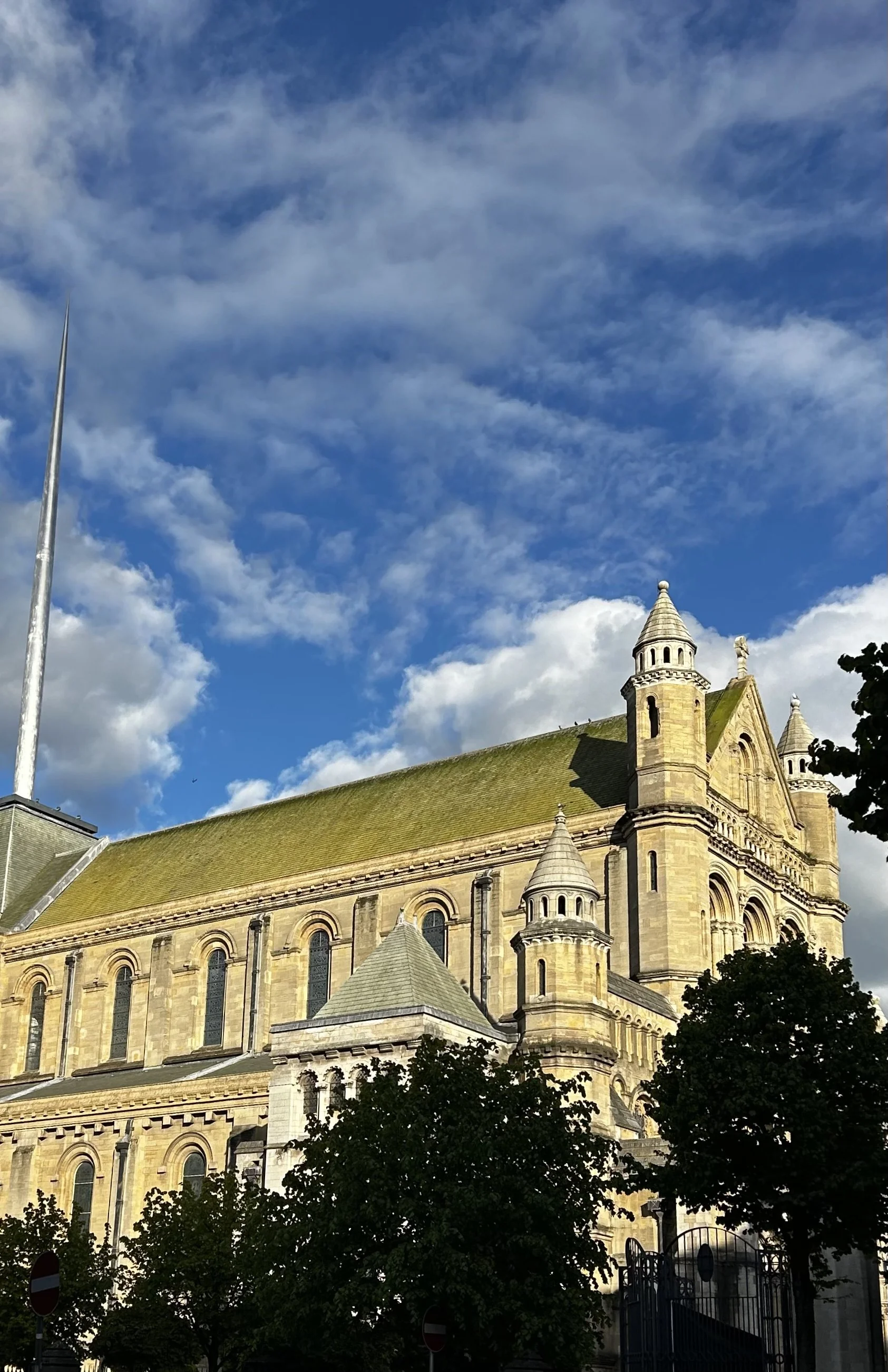
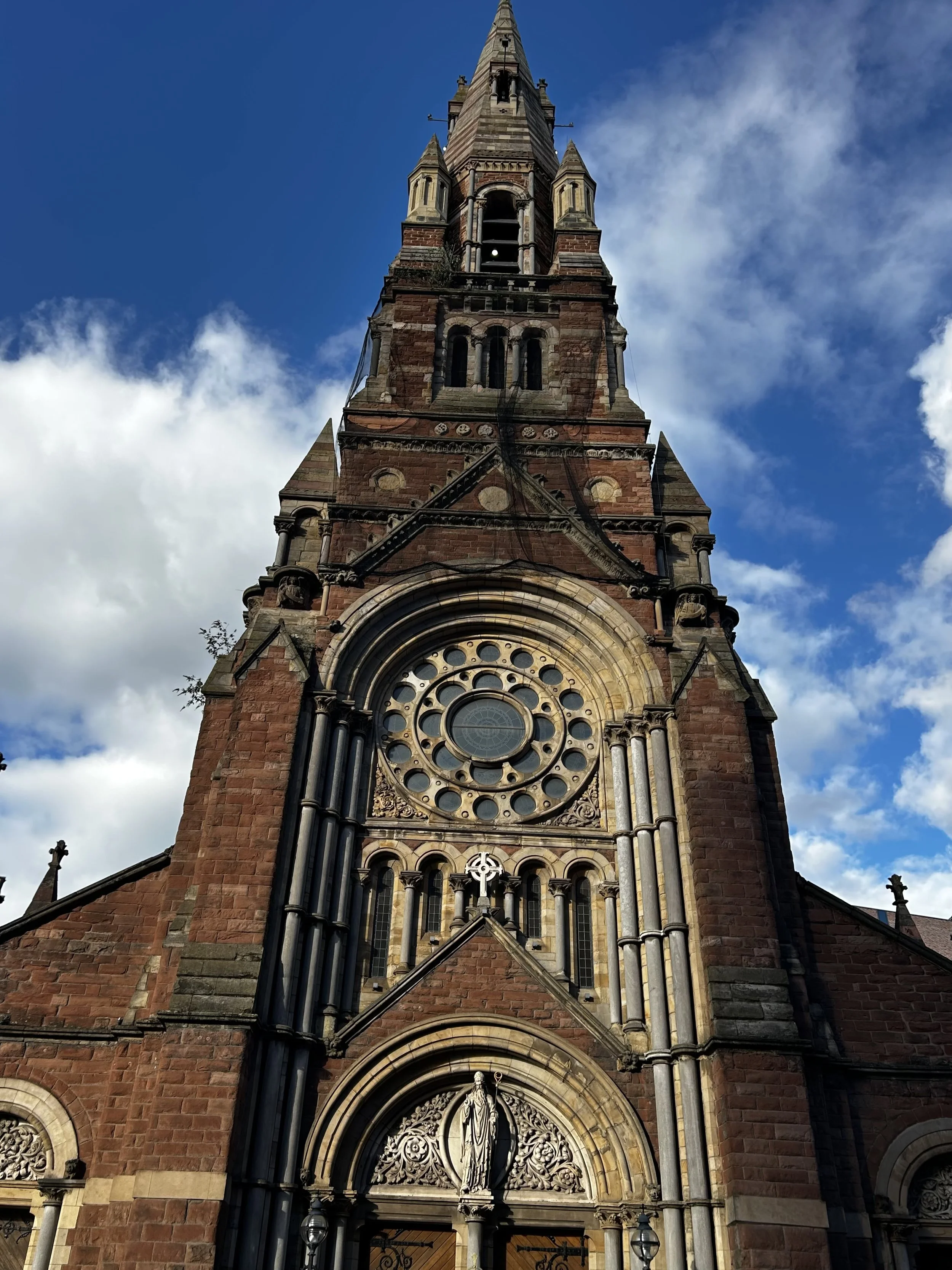
Geographically, Belfast sits in a kind of shallow amphitheater-like shaped landscape that is surrounded by soft hills and the dark water of the Belfast Lough. When the weather rolls in, which is frequent, Belfast looks almost cinematic in a bruised silvery way. Belfast is full of old brick buildings, pubs, churches with beautiful spires, murals appearing suddenly around most corners, and giant shipyard cranes dripping over buildings and beside the sea. Most notable among them are the two yellow cranes called, Samson and Goliath, which rise high above the city skyline. They stand 96 meters tall and on a clear day can be seen up to 29 miles away. These cranes matter, as Belfast was an iconic shipbuilding city in the day, a heavily industrial city, a city of welders, riveters and dock workers. It is home to the famous Harland and Wolf shipyard which employed 1000’s of skilled workers building hundreds of ships, including the most renowed RMS Titantic, which was designed, built and launched into Belfast Harbor. Here you can visit the Titantic Belfast Museum which takes you on a journey over 100 years ago. It is chock-full of interactive exhibits, videos and will even take you on a ride that travels through the noisy shipyard of old where the Titantic was built. When you step outside the Museum you are standing exactly where the Titantic actually sat before she was launched. The Harland and Wolf shipward remains active and viable today, but with a change of focus to ship repair, naval, commercial projects, fabrication and off shore engineering.
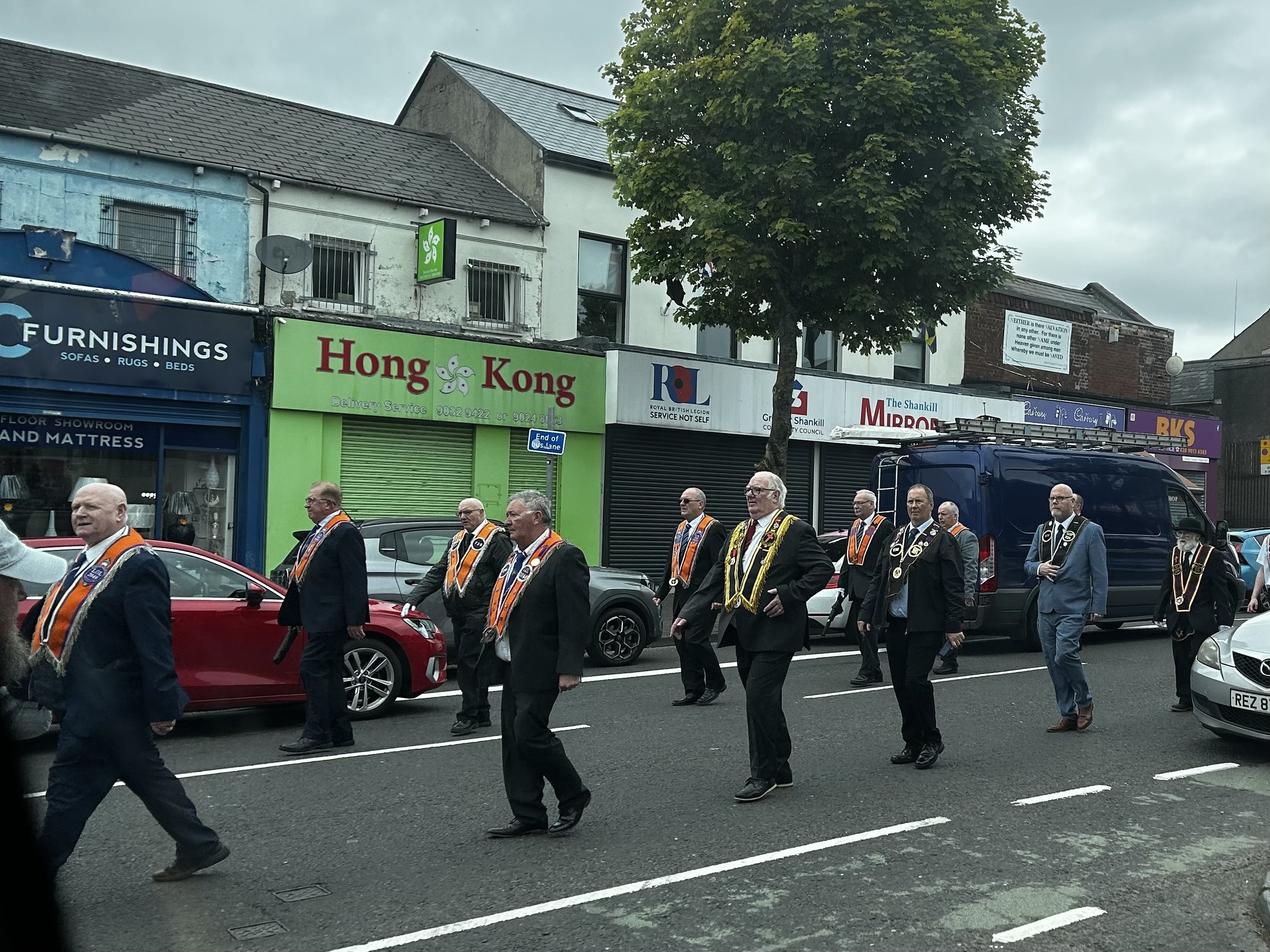
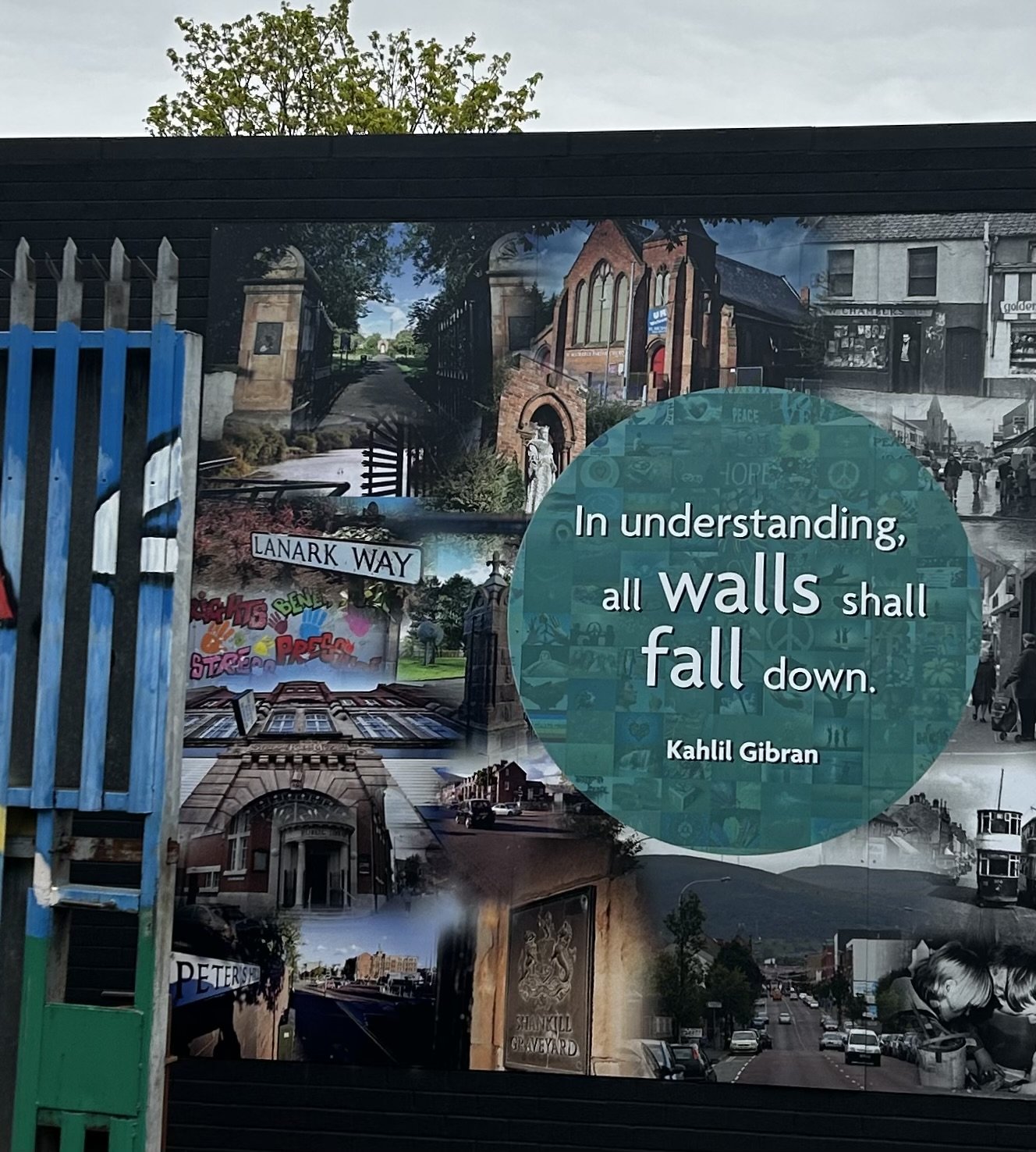
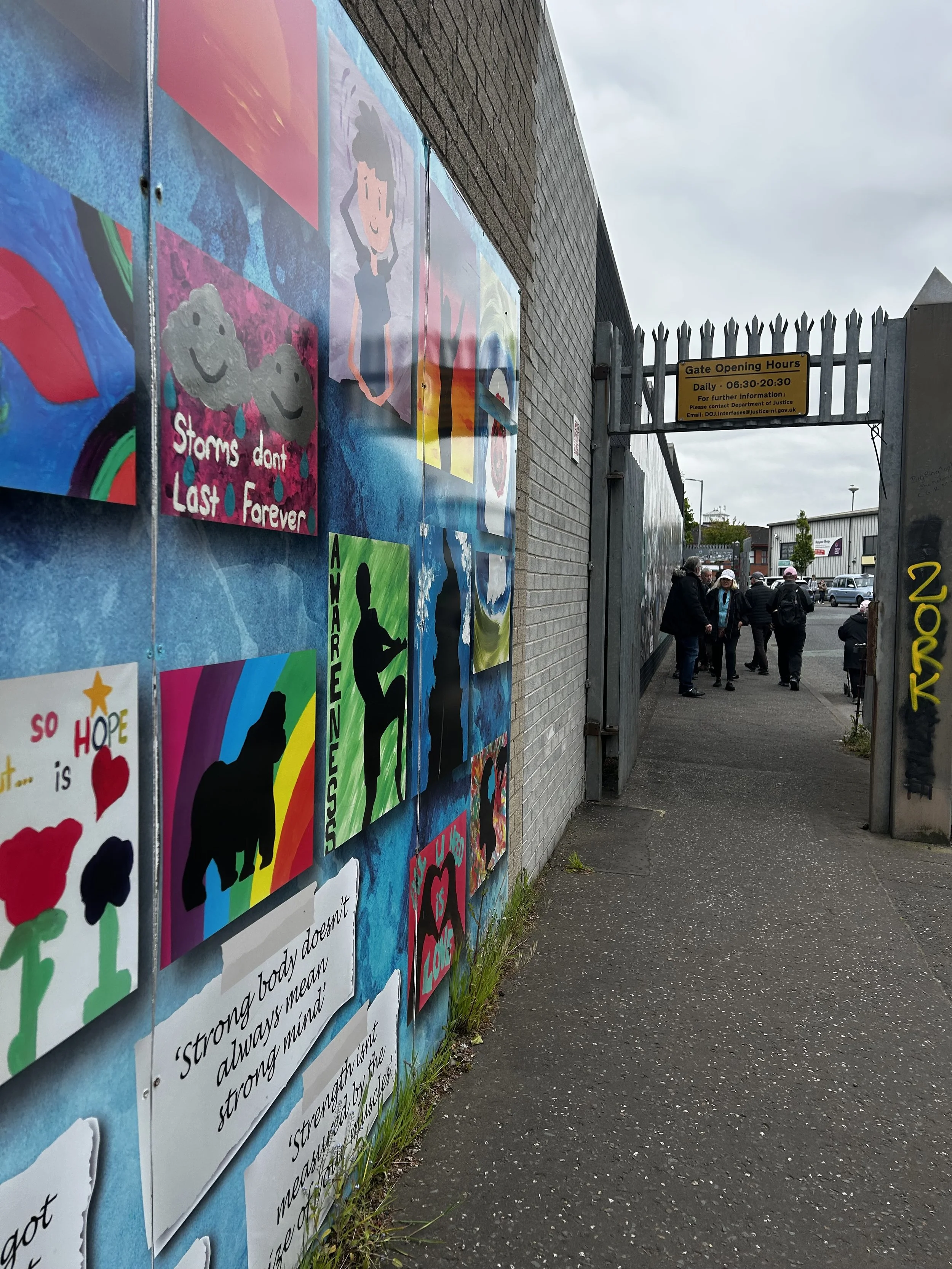
Then there is another very important slice of Belfast’s story, one that is fraught with pain and suffering. It is simply known as The Troubles, a long period of violence, conflict and division reigning throughout Belfast and Northern Ireland from 1960 to 1998. It was a conflict of two communities, the Protestant/unionists who wanted Northern Ireland to stay in the United Kingdom and the Catholic/nationalists who wanted Northern Ireland to be part of one United Ireland. Two communities with different visions for a Northern Ireland translated into a city marked by fear and great division. People of both communities lost their lives in the violence, many more were seriously injured and everyone endured daily life amid bombings, shootings, road blocks, military patrols and security checkpoints. Then on April 10, 1998 the Good Friday Peace Agreement was signed bringing in a power-sharing system that allowed both communities to be represented equally in political decision making, each guaranteed to have a voice. This moment marked a turning point for Belfast and all of Northern Ireland ending most of the violence and giving both communities a voice in shaping Northern Ireland’s future. However, it would not be accurate to say that Belfast is now a completley united city or that there is no undercurrent of division, in fact there are still Peace Walls separating some communities and political disagreements over Northern Ireland’s constitutional future. It is fair to say that the widespread violence of the The Troubles has long ended and the city has emerged as a destination focused on building a shared optimistic future.
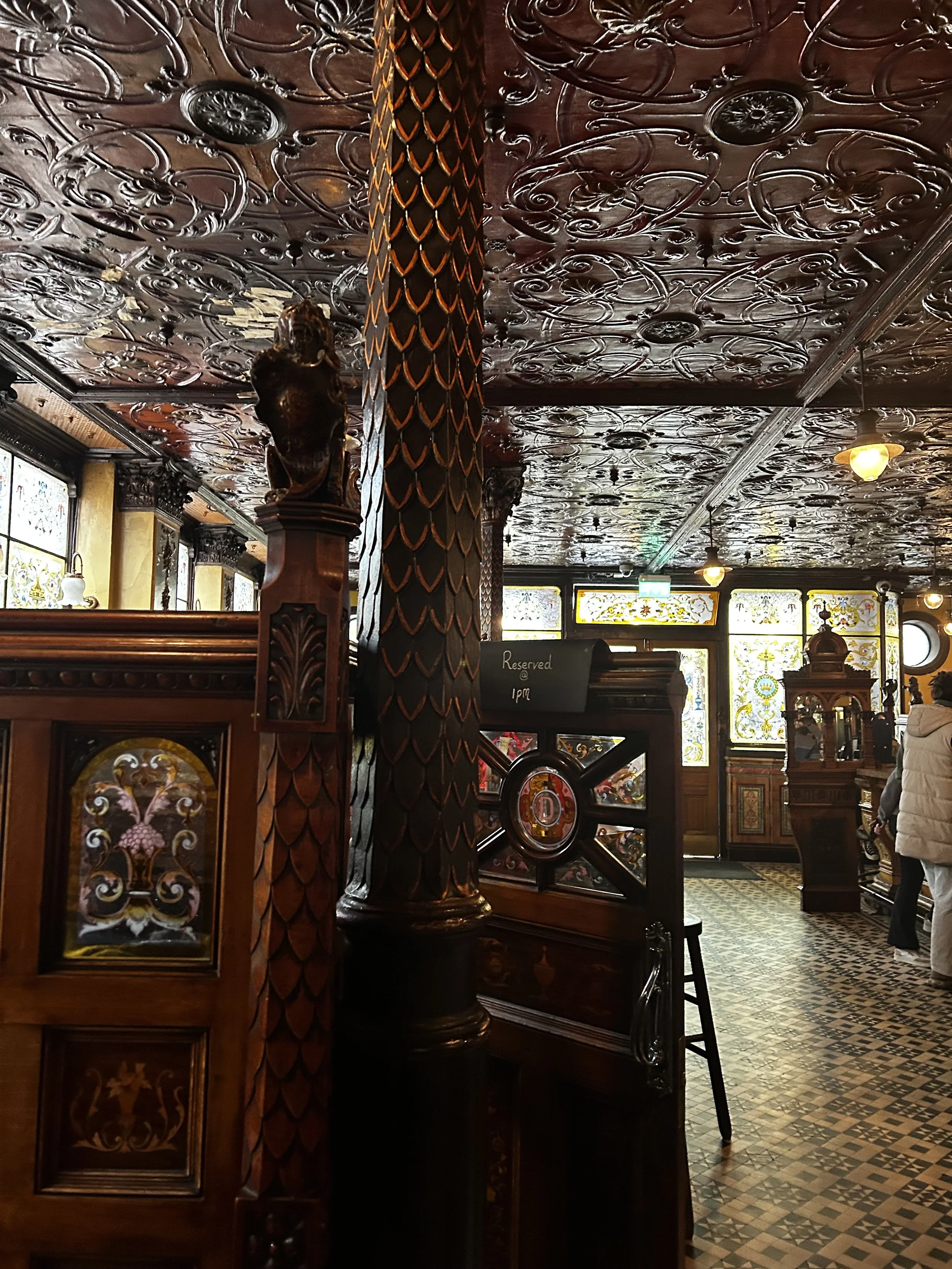
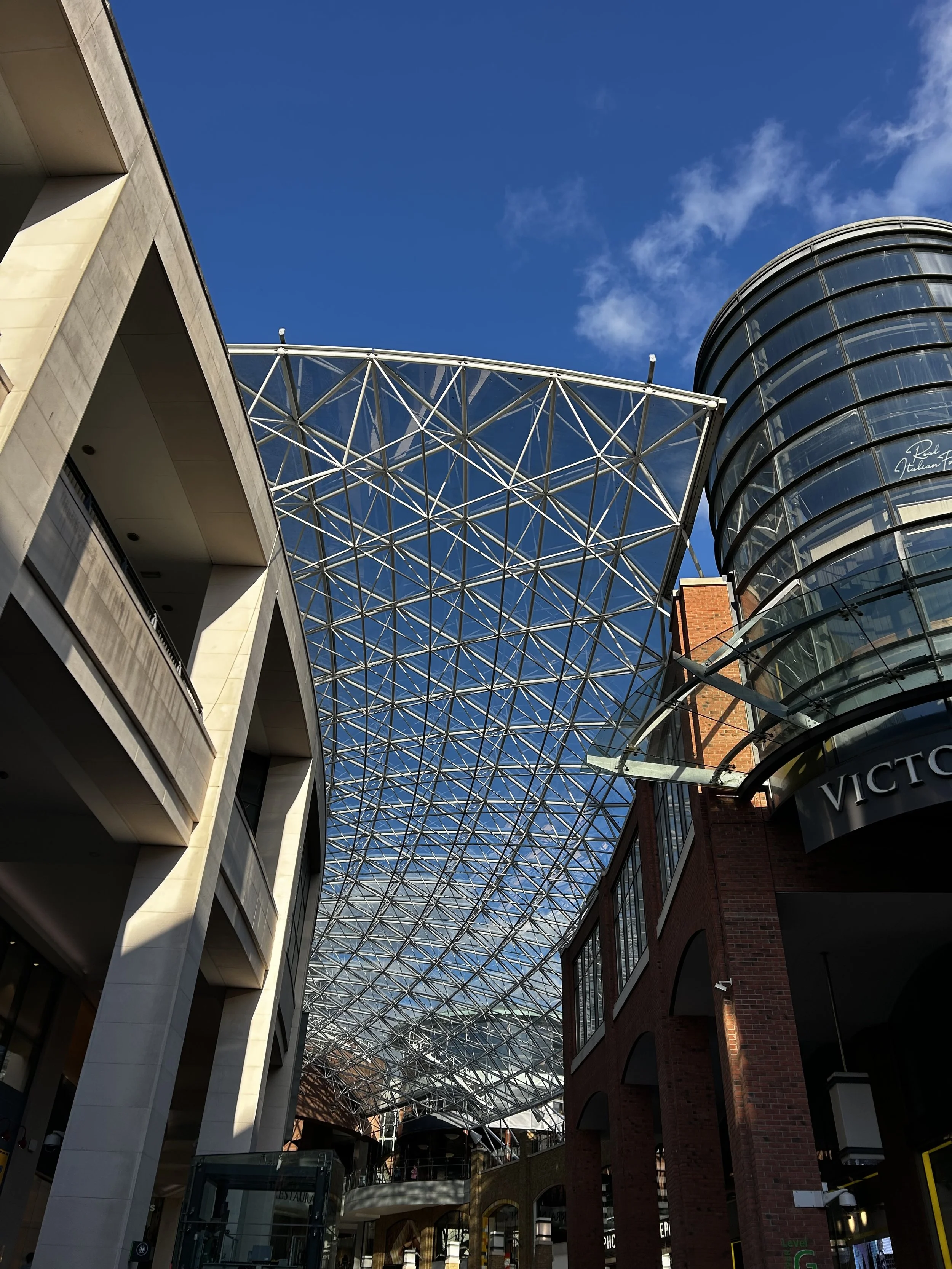
The Belfast of today has a vibrant arts and literary scene that produces storytellers the way forests produce moss. It has a techno scene, a food scene, a music scene with traditional Irish music sessions in every Pub. Belfast has a Linen Quarter, a Cathedral Quarter, a Titantic Quarter, a Market Quarter, a Queen’s Quarter, a Gaeltacht (Irish speaking) Quarter, a Library Quarter, and a Station Quarter. Belfast is where Van Morrison was born and raised, growing up on Hyndford Street in East Belfast where the sights, sounds and spirit of Belfast never really left him. They became the foundation of his music.
Belfast drew me in at first sight. It won me over, charmed me. It tends, as I do, to lean in toward the beautiful imperfect grittiness of something still evolving. I found Belfast to be resilient, compelling, and wonderfully authentic.
Belfast has this growing sense that it wants to become more than the conflict that defined it internationally. Belfast has substance. It doesn’t feel at all manufactured for its visitors or for anyone else. It is make-up free, It feels emotionally honest. It feels unfiltered, it feels raw and gritty in the most beautiful way.
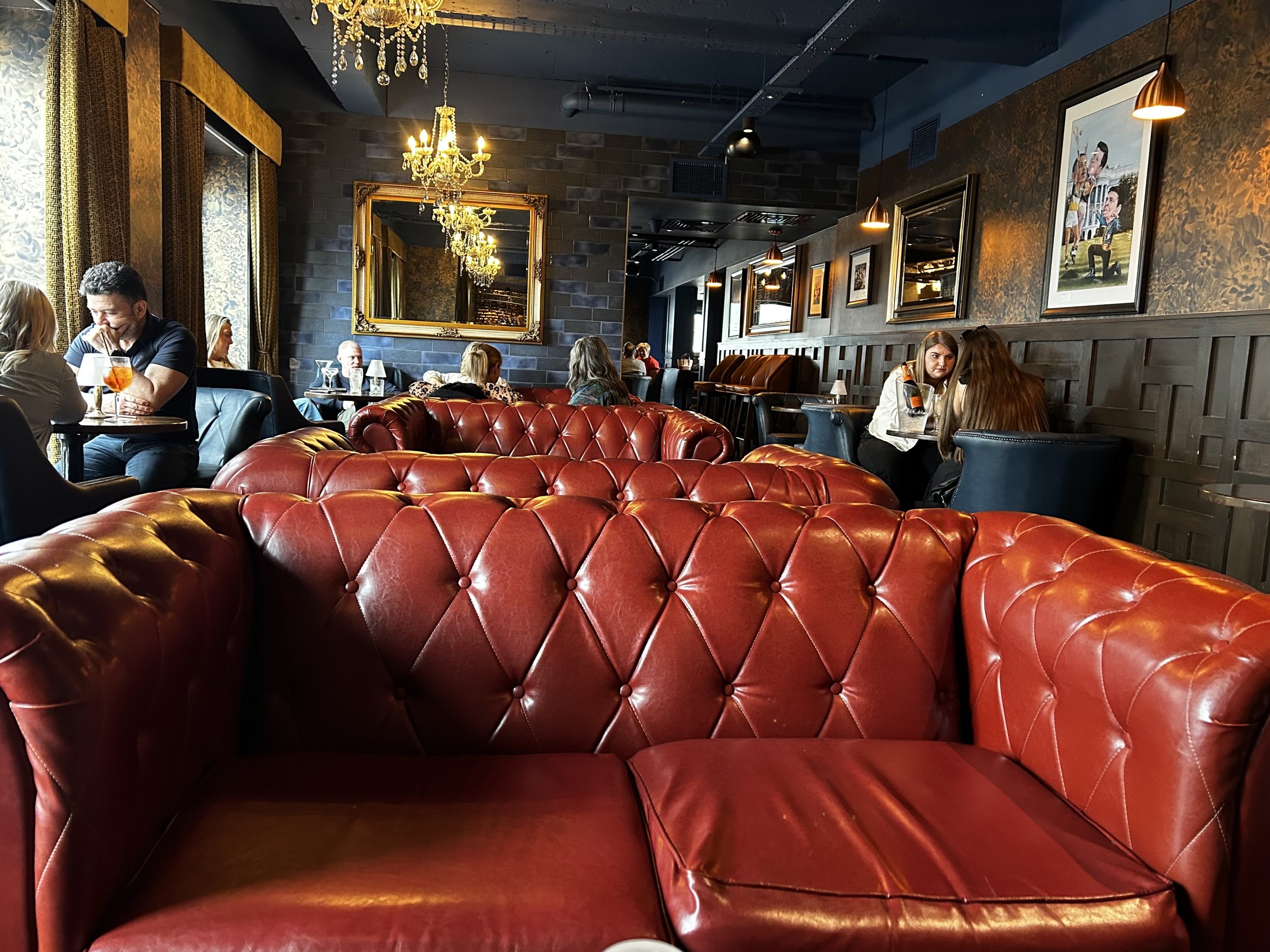
No. 4 Bar
Top floor, 4 Lanyon Place, Belfast, Ireland